
Choosing the right promotional items in 2026 requires more than printing a logo on a popular product. Businesses now face higher expectations for usefulness, design, sustainability, and responsible sourcing. A branded item should earn a place on a desk, in a travel bag, or beside a coffee machine. Otherwise, it may become expensive clutter.
This guide explores ten practical promotional items that can support brand visibility and customer relationships. The selection considers everyday value, material quality, customization options, and suitability for different industries. Reusable drinkware, charging accessories, wellness products, and thoughtfully designed office tools remain strong candidates. However, trends can be misleading. A product may look innovative online but feel fragile after one week of use.
Experience from trade shows and client campaigns shows that useful items usually receive longer exposure. A durable tote can appear in offices, supermarkets, and public transport for months. A well-made power bank may stay within reach during business travel. These details matter.
Responsible purchasing also deserves attention. Companies should check supplier transparency, product safety information, packaging choices, and applicable consumer standards. Low prices can hide disappointing quality or unnecessary waste. The most effective promotional items balance visibility with genuine usefulness.
No product works for every audience. A technology startup may prefer compact desk accessories, while a hospitality brand may choose practical travel goods. Personalization should support the message, not overwhelm it. Even careful planning can miss a preference. Testing a small batch first is often wiser than ordering thousands of unproven items.
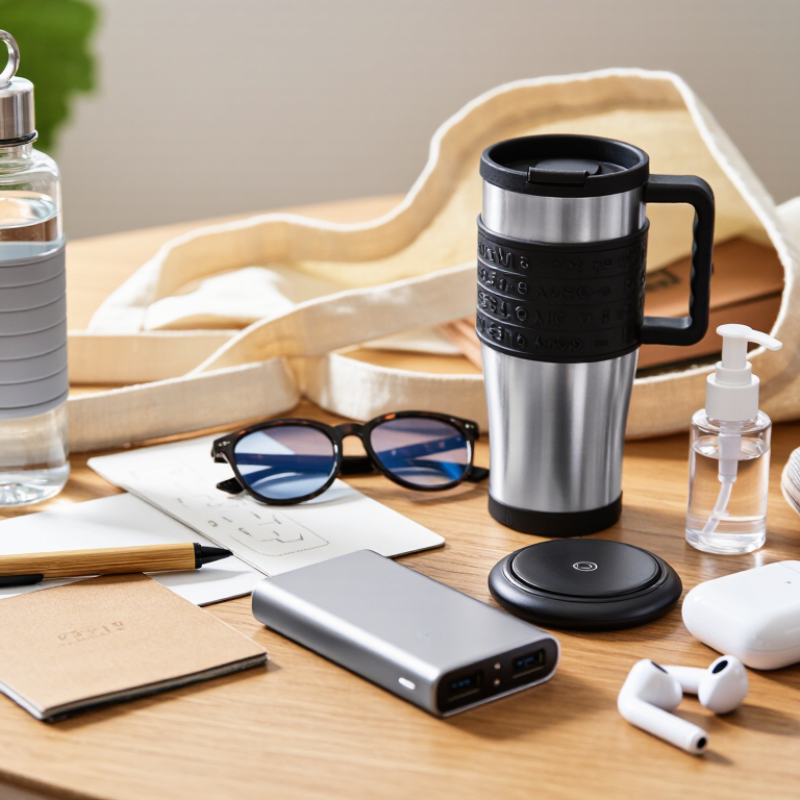
Promotional items support business marketing by keeping a company useful after a first conversation. In 2026, customers notice practical value more than excessive decoration. A useful selection includes reusable bottles, notebooks, tote bags, charging cables, phone stands, umbrellas, caps, desk plants, key tags, and compact first-aid pouches. Practical beats flashy.
Each item can create a small brand contact during ordinary routines. A bottle appears beside a laptop, while a phone stand stays visible during online meetings. A notebook may support a sales discussion months later. Quality matters here. Cheap materials can damage trust faster than they build awareness. Responsible teams should check durability, safe materials, accurate product information, and appropriate disposal guidance before ordering.
Marketing performance also needs evidence. A campaign can connect items with event registrations, survey responses, or permission-based website visits through simple tracking codes. Staff should ask who will use the item and why. Not every popular product deserves distribution. Some recipients may discard it, and that waste should be acknowledged. Personalization can improve relevance, but collecting unnecessary personal data creates avoidable risks. Clear consent and respectful communication remain essential. Promotional items work best when they support a real customer need, not when they merely fill a budget.
| Promotional Item | How It Supports Marketing | Useful For | Ways to Measure Results | Selection Considerations |
|---|---|---|---|---|
| Reusable Drinkware | Provides repeated visibility during daily routines and can help keep a business name or campaign message in view. | Client gifts, employee welcome kits, conferences, and community events. | Track distribution, follow-up enquiries, and campaign-specific QR-code visits. | Choose durable, easy-to-clean materials and a design recipients are likely to use. |
| Reusable Tote Bags | Offers practical carrying space and visible branding in public settings. | Trade shows, retail promotions, events, and educational outreach. | Record units distributed and use a dedicated landing-page URL or QR code. | Check bag strength, useful size, and whether the materials and claims are accurately described. |
| Branded Apparel | Can help create a consistent team appearance and extend campaign visibility when worn. | Staff uniforms, volunteer programs, event teams, and customer communities. | Measure staff adoption, event engagement, and campaign referrals. | Prioritize comfortable fabric, inclusive sizing, and a logo placement suitable for regular wear. |
| Notebooks and Journals | Supports note-taking at work or events while keeping a message available for repeated reference. | Meetings, training sessions, conferences, and onboarding. | Compare recipient engagement and follow-up activity across event or campaign cohorts. | Consider paper quality, binding, portability, and whether a simple layout suits the audience. |
| Pens | Offers a familiar, low-friction item that recipients can use in offices, classrooms, or at events. | High-volume events, reception areas, workshops, and mailers. | Track quantities distributed and associate event-specific codes or URLs with the campaign. | Select a reliable writing tip and legible imprint; avoid ordering more than the audience can use. |
| Phone Stands | Helps position a phone for video calls, viewing, or desk use, keeping the item visible in workspaces. | Remote-work kits, customer appreciation, and professional events. | Use a campaign QR code or short URL and monitor engagement after distribution. | Check stability, device compatibility, portability, and material durability. |
| Charging Cables or Power Banks | Connects a useful everyday function with a business message and may encourage recipients to keep the item. | Business travel, conferences, employee kits, and selected customer gifts. | Measure campaign-page visits, enquiries, and recipient feedback. | Verify product safety, relevant electrical certifications, compatibility, and clear capacity information. |
| Desk Accessories | Places a brand in a work area where recipients may see it repeatedly. | Employee onboarding, client gifts, and office-based campaigns. | Track recipient feedback, repeat enquiries, or response to a related call to action. | Choose useful, compact items that fit varied workspaces and do not create unnecessary clutter. |
| Reusable Food Containers | Supports meal and snack routines while providing room for a modest, visible campaign message. | Employee programs, wellness initiatives, and practical customer gifts. | Measure distribution and engagement with any linked wellness or campaign content. | Check food-contact suitability, cleaning instructions, leak resistance, and material details. |
| Seed Kits or Small Plant Gifts | Can make a campaign memorable through a hands-on activity and a connection to growing or sustainability themes. | Community events, educational programs, and carefully targeted appreciation gifts. | Track participation, QR-code visits, and responses to related campaign content. | Provide clear growing instructions and consider local climate, accessibility, and packaging waste. |
Results depend on audience fit, item quality, distribution, and follow-up. Use trackable links or campaign codes where appropriate, and choose products that recipients can genuinely use.