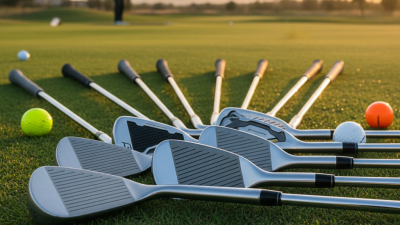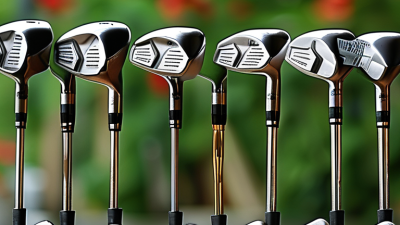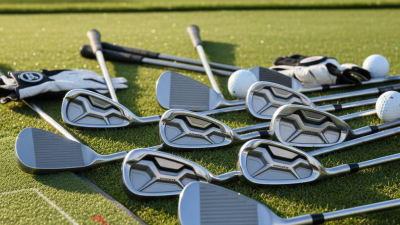
Golf irons are the scoring tools in a golfer’s bag, built for controlled distance, accuracy, and reliable contact. Unlike drivers, irons are not designed mainly for maximum distance. Their numbered faces help golfers manage different yardages, from a low-lofted 4-iron to a high-lofted pitching wedge. A 7-iron may carry 150 yards for one player and 115 yards for another. Swing speed, strike quality, shaft design, and loft all influence that result.
This guide explains what golf irons do and how to choose them with greater confidence. It considers iron types, cavity-back and blade designs, shaft materials, club length, forgiveness, and gapping between clubs. A practical fitting session can reveal useful details. Launch monitors show ball speed, launch angle, spin, carry distance, and dispersion. Professional advice matters, too. Numbers help, but they do not tell the whole story. A club that produces impressive distance may feel harsh or leave awkward gaps in the set.
There is no perfect iron.
Golfers often choose clubs by appearance or brand reputation. That approach can fail on the course. A compact blade may look elegant behind the ball, yet punish strikes slightly toward the toe. A larger cavity-back iron may appear less refined, but keep a mishit closer to the target. Personal confidence matters, although it should not replace honest testing. By comparing real shots, reviewing reliable data, and noticing comfort at address, golfers can build an iron set that suits their swing and playing goals.
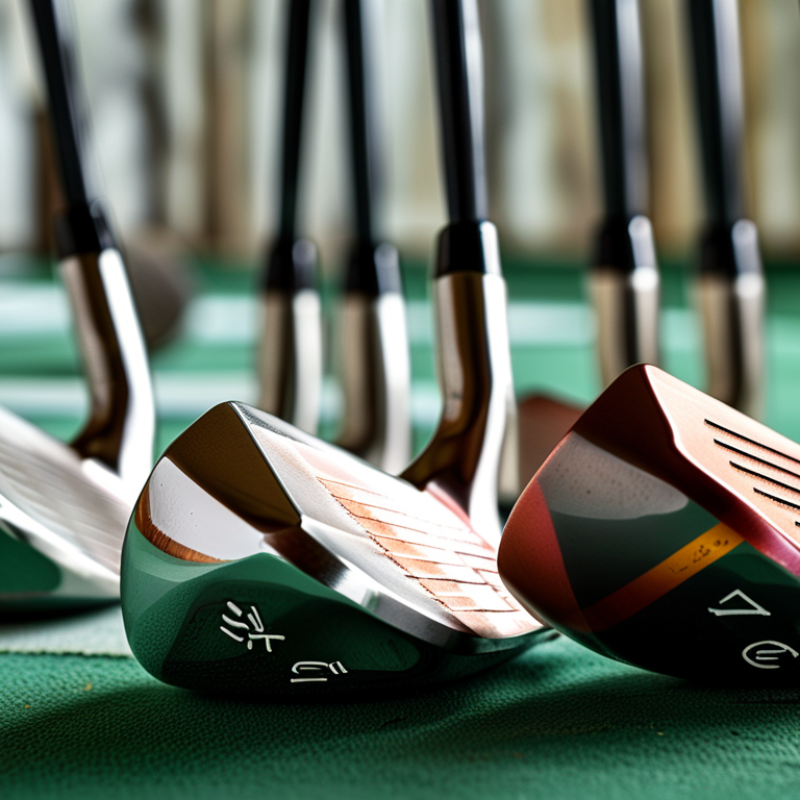
A golf iron is a lofted club designed to send the ball toward the green. Lower-numbered irons have less loft, longer shafts, and longer potential distance. Higher-numbered irons launch the ball higher and usually land more softly. A 7-iron, for example, often balances distance, control, and forgiveness for many recreational players. Its real job is not simply hitting far. It must produce a predictable launch, direction, and stopping pattern.
The USGA and R&A Distance Insights Report 2023 recorded roughly 28 yards of average driving-distance growth since 1996. That change has influenced modern iron lofts and created stronger distance expectations. However, longer is not automatically better. Professional shot-tracking data consistently places value on proximity to the hole and directional control, not distance alone. In fitting sessions, I compare carry distance, launch height, descent angle, and left-right dispersion. Carry matters most. Roll can hide a poor strike. I still misjudge this sometimes. Wind exposes it quickly.
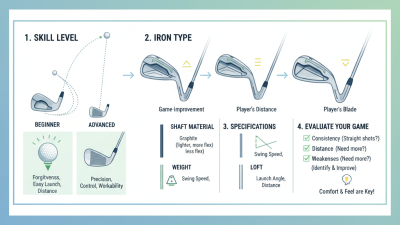
Choose irons by your repeatable swing, not a single perfect shot. Test several consecutive swings with each club. Watch where the ball lands, not only the longest shot. Players with slower swings may need lighter shafts or more loft. Players who strike consistently may prefer compact heads and tighter feedback. A launch monitor can help, but outdoor testing reveals turf interaction and uneven lies. The best set creates useful distance gaps, often around 10 to 15 yards between clubs, though individual results vary. Check the gaps. Then question them.
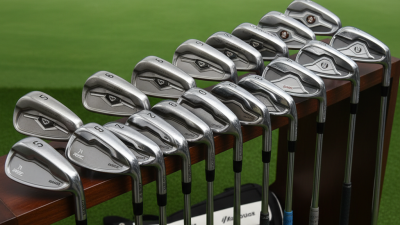
Golf irons are numbered clubs designed for controlled shots from the fairway, rough, or tee. Their main types suit different playing needs. Blade irons have a thin profile and concentrated weight behind the center. Skilled players often prefer their feedback and workability. Cavity-back irons move weight around the perimeter, offering more forgiveness on off-center strikes. Game-improvement irons usually have wider soles, stronger lofts, and larger heads. They can help beginners launch the ball higher, although distance gaps may become confusing.
The iron’s parts affect its performance. The clubhead contains the face, grooves, sole, leading edge, and hosel. Grooves help create friction, especially from clean, dry contact. The sole slides through the turf. A wide sole may help softer ground, while a narrow sole can suit firm conditions. The shaft influences launch, timing, and feel. Its flex should match swing speed and tempo. The grip must feel secure without forcing tight hand pressure.
Choosing irons requires more than checking a distance chart. During fittings, I watch strike location, launch height, spin, and turf interaction. A player who hits seven-iron shots thin may need a different sole design, not simply a longer shaft. Lie angle also matters because it changes starting direction. Try several head shapes and note the contact sound. I once chose a forgiving head that flew far but created awkward yardage gaps. That mistake still matters. Test the full set, including wedge loft spacing, before deciding.
| Category | Type or Part | Typical Characteristics | Primary Purpose | Selection Considerations |
|---|---|---|---|---|
| Iron Type | Long Irons | Usually numbered 2–4; lower loft, longer shaft, and lower launch than shorter irons. | Long-distance shots from the fairway or tee. | Require more consistent contact and clubhead speed; many golfers replace them with hybrid clubs. |
| Iron Type | Mid Irons | Usually numbered 5–7; moderate loft and shaft length with a balance of distance and control. | Approach shots and general fairway play. | A common starting range for comparing distance, launch, and accuracy. |
| Iron Type | Short Irons | Usually numbered 8–9; higher loft and shorter shaft for a higher trajectory. | Accurate approach shots near the green. | Prioritize distance control, trajectory, and accuracy over maximum distance. |
| Iron Type | Wedges | Specialized irons with lofts commonly above 45 degrees and wider soles than many standard irons. | Pitching, chipping, bunker shots, and short approaches. | Choose loft and bounce to create useful distance gaps and match typical course conditions. |
| Club Part | Clubhead | The lower section containing the face, sole, topline, hosel, and sometimes a cavity or muscle-back design. | Transfers energy to the ball and influences forgiveness, launch, and feel. | Larger cavities generally provide more perimeter weighting and forgiveness; compact heads emphasize workability. |
| Club Part | Face and Grooves | The striking surface; grooves help channel moisture and debris and contribute to spin. | Controls ball speed, launch, direction, and stopping performance. | Check face condition and groove wear, especially when buying used clubs. |
| Club Part | Sole and Bounce | The sole is the bottom of the head; bounce is the angle that helps the sole resist digging. | Affects turf interaction and the club's ability to move through the ground. | More bounce can suit soft ground or steeper swings; less bounce can suit firm ground or shallower swings. |
| Club Part | Hosel | The connection between the clubhead and shaft; it may allow lie or loft adjustments on some clubs. | Connects the major club components and influences setup geometry. | A proper lie angle can help the sole contact the ground consistently at impact. |
| Club Part | Shaft | Available in different lengths, weights, flex profiles, and materials, commonly steel or graphite. | Influences swing timing, launch, consistency, and feel. | Match shaft weight and flex to swing speed, tempo, strength, and desired trajectory rather than distance claims alone. |
| Club Part | Grip | The handle section held by the golfer; size, texture, and condition affect comfort and control. | Provides a secure and repeatable connection to the club. | Choose a comfortable diameter and replace grips that are hardened, cracked, or excessively worn. |
| Fitting Dimension | Loft | The angle of the clubface relative to the shaft and ground reference. | Primarily controls launch height, spin, and carry distance. | Compare actual lofts between sets and maintain consistent distance gaps throughout the set. |
| Fitting Dimension | Lie Angle | The angle between the shaft and the sole when the club is positioned correctly. | Influences directional consistency and sole contact. | A professional fitting can help identify whether standard, flatter, or more upright specifications suit the swing. |
| Fitting Dimension | Set Composition | A combination of irons and wedges selected to cover the golfer's useful distance range. | Creates practical club gaps and avoids overlapping distances. | Base the set on carry distances, shot consistency, typical lie conditions, and whether long irons are reliable. |
Iron design changes more than distance. It also changes launch height, spin, descent angle, and forgiveness. A low center of gravity helps the ball launch higher with less effort. A thin face can add speed, but stronger lofts may reduce stopping power. That trade-off matters on firm greens. The 2023 Distance Insights Report from the United States Golf Association and The R&A linked distance gains mainly to clubhead speed, strike quality, and delivery conditions. Loft alone was not the answer.
Launch-monitor data from elite-tour testing gives a useful reference. A typical 7-iron carries about 175 yards, launches near 16 degrees, and spins around 7,000 revolutions per minute. Most golfers should not copy those numbers. They should examine their own carry distance, peak height, and descent angle. A fitting session can reveal whether a longer iron flies farther or simply lands too shallow.
Choose irons by consistent results, not the number stamped on the sole. A compact head may sharpen feedback and control, while a wider sole can protect a slightly heavy strike. Tungsten weighting can raise stability around the face, but it may change turf interaction. I have seen golfers gain ten yards, then lose predictable gapping. That is not progress.
Test five shots, not one. Record carry, dispersion, and landing height. If an iron flies far but lands low, its distance may be misleading. Center strikes matter, yet imperfect strikes matter more.
Choosing irons starts with your swing, not the number stamped on the sole. Beginners and higher-handicap golfers often benefit from wider soles, perimeter weighting, and moderate offset. These features help protect against thin and toe strikes. Launch should feel easy. Distance is less important than consistent carry and stopping control.
The USGA and R&A Distance Insights Report found average driving distance increased by 2.5 yards in 2020. That finding matters because stronger lofts can make an iron appear longer without improving contact. Compare iron numbers carefully. A modern 7-iron may have the loft of an older 6-iron. Choose clubs by carry gaps, not advertising claims.
Players with repeatable contact may prefer narrower soles and less offset for trajectory control. Still, skill level can change quickly. I once chose thin-soled irons because they looked precise. My repeated toe strikes proved otherwise. Not perfectly fitted.
During a fitting, hit at least eight shots with a 7-iron. Record carry distance, launch angle, descent angle, and left-right dispersion. Ask for lie-angle checks, especially if the ball starts consistently left or right. The R&A and USGA report also warns that distance gains can encourage poor club selection. A 5-iron that flies far but lands shallow may leave difficult greenside shots. A higher-launching hybrid or longer iron can be more practical, but your strike pattern must decide.
Golf irons are designed for controlled shots from fairway, rough, and teeing areas. Their lofts create different distances and launch heights. Testing them requires more than hitting one perfect ball indoors. I prefer a grass range when possible, because turf interaction reveals problems that mats can hide. Start with a mid-iron and note carry distance, launch, ball speed, and dispersion. Consistent misses matter more than one impressive shot.
A proper fitting should match the iron to your swing, posture, and usual contact point. A fitter can check shaft length, lie angle, loft spacing, and shaft weight. Use impact tape or a face spray to locate strikes. Marks near the heel may suggest a lie or setup issue, but they are not final proof. Your swing can change during a session. I once chose a club after several excellent swings, then struggled when tired. That decision needed more patience. Test from different lies and repeat shots after a short break.
Maintenance protects performance. Wipe each club after every shot, especially when soil is damp. Clean grooves with a soft brush, not a sharp metal tool. Dry the heads before placing them in the bag. Inspect grips for smooth, hardened areas and replace them when control declines. Check loft and lie after heavy practice or accidental impact. Even clean irons can lose accuracy if their grooves wear down. Keep simple distance notes, but question them when wind, temperature, or poor contact changes.