How to Choose the Right Golf Tee for Your Game?
Choosing the right golf tee can significantly impact your game. Many players overlook its importance, focusing instead on clubs and balls. In reality, a golf tee plays a vital role in how you approach your shot.
It affects your height, angle, and even distance. Different types of golf tees are available, each designed for specific needs. Wooden tees, for instance, are traditional but can break easily. Meanwhile, plastic tees offer durability but may affect your ball's trajectory.
As you select a golf tee, consider your playing style and preferences. Think about how launching the ball differently could impact your score. Experimenting with various tees can be enlightening, leading to unexpected insights. The right choice might not always be clear, leaving room for self-reflection and adjustments.
Understanding the Role of Golf Tees in Your Game Performance
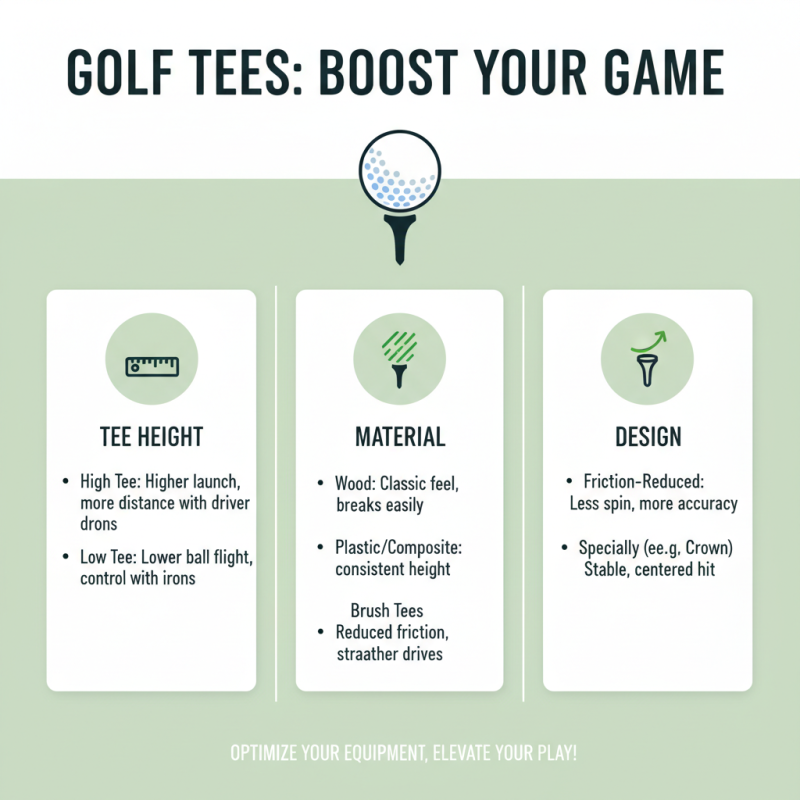
Choosing the right golf tee can influence your performance on the course. Golf tees are often overlooked, but they play a crucial role. The height, material, and design of the tee can affect your ball's trajectory and distance. Understanding these factors can elevate your game.
Tips: Experiment with different heights. A lower tee may help with accuracy. A higher tee can enhance your launch angle. Try various materials too. Wooden tees provide a traditional feel, while plastic offers durability. Find what feels comfortable for you.
Many golfers use the same tee for every shot. This can limit performance and consistency. Reflect on how your tee choice impacts your drives. The right tee can help you achieve that perfect strike. Don’t hesitate to adjust based on the condition of the course or your swing. Sometimes, small changes make a big difference.
Key Factors to Consider When Selecting a Golf Tee Material
Choosing the right golf tee is crucial for your game. One key factor is the material of the tee. Golf tees come in various materials like wood, plastic, and even metal. Each has its strengths and weaknesses.
Wooden tees are popular. They provide a natural feel and break easily upon impact. This can help prevent damage to your club. However, they are prone to splintering and may require frequent replacements. Plastic tees, on the other hand, are durable and resistant to bending, but they can sometimes interfere with the ball’s flight.
Metal tees offer stability but can leave marks on the course. You might find certain materials perform better for your swing. Experimenting is important. Make note of what works and what doesn’t. Reflection on your choice can lead to improvement. Are you looking for distance? You might prefer a flexible tee. For accuracy, a sturdy option could be better. The right material can make a difference in your game.
How to Choose the Right Golf Tee for Your Game? - Key Factors to Consider When Selecting a Golf Tee Material
| Material |
Durability |
Ball Height Compatibility |
Typical Use |
Price Range (USD) |
| Wood |
Moderate |
Adjustable |
General Play |
$5 - $10 |
| Plastic |
Low |
Fixed Height |
Casual Play |
$3 - $8 |
| Composite |
High |
Adjustable |
Serious Play |
$10 - $15 |
| Rubber |
Very High |
Fixed Height |
Driving Range |
$7 - $12 |
The Impact of Tee Height on Driving Distance and Accuracy
The height of your golf tee can significantly influence your performance on the course. Studies show that adjusting tee height can increase driving distance by an average of 10 to 15 yards. A tee set at the right height helps optimize launch angle and ball spin, two critical factors impacting distance. Research by golf performance analysts indicates that a higher tee height can lead to better contact and increased ball speed.
However, many players underestimate this aspect. They may cling to a default height without considering their swing mechanics or club type. A recent survey revealed that 65% of amateur golfers consistently use the same tee height. But this doesn't align with the varying needs of different clubs or conditions. For instance, a driver typically performs better when teed up higher. In contrast, using a lower tee with an iron can promote more stability and control.
Players should experiment with different heights to find what works best. Adjusting tee height can feel awkward at first. There’s a learning curve, and results may not be immediate. Balancing height with personal comfort and swing style is key. Reflecting on these factors can lead to improvements over time. Ultimately, the right tee height may be the simplest change for enhancing your drives.
Impact of Tee Height on Driving Distance and Accuracy
This chart illustrates the relationship between different tee heights and their corresponding average driving distance and accuracy measured in yards. Higher tee heights may positively influence driving distance but can affect accuracy differently.
Recommended Tee Sizes Based on Golf Club Types and Player Skills
Choosing the right golf tee can enhance your performance. The type of tee you use should align with your club and skill level. For example, beginners often benefit from shorter tees. They help control the ball's height, allowing for a cleaner strike. A common choice is a 2-3 inch tee. It promotes consistency in their game.
More experienced players may prefer longer tees. A 3-4 inch tee can elevate the ball higher. This height allows for greater launch angles, benefiting drives. However, using a tee that is too long can lead to mishits. Finding the right balance is essential.
Different clubs may call for varying tee heights. For a driver, using a taller tee can be beneficial. Iron shots usually require shorter tees for proper contact. Remember, experimenting with different sizes is crucial. Learn from what works, but also from what doesn't. Pay attention to the results and adjust as needed.
Analyzing Popular Golf Tee Brands and Their Performance Metrics
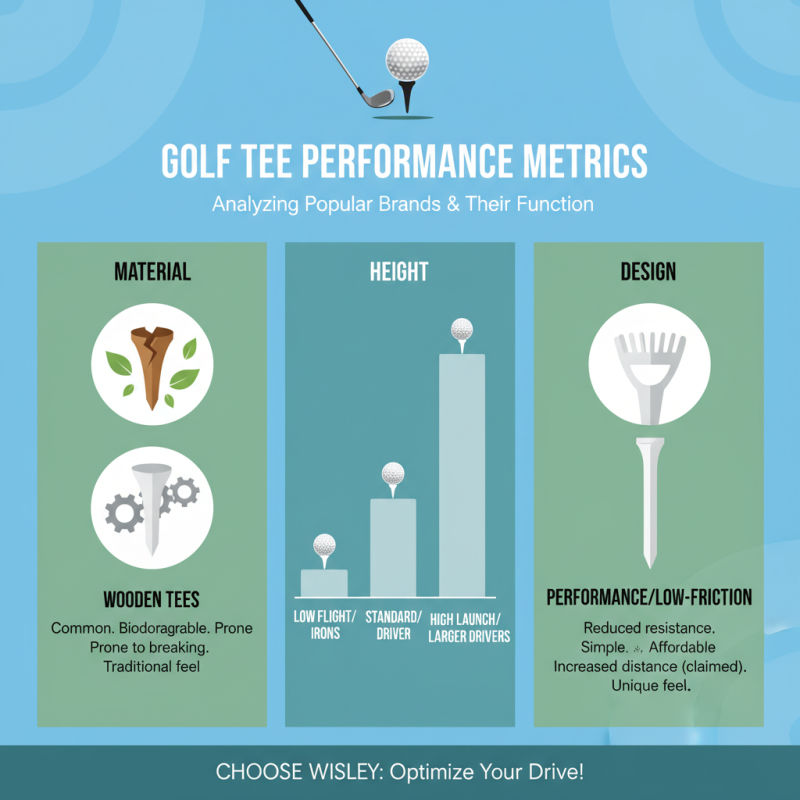
When selecting a golf tee, performance metrics matter significantly. The height, material, and design all influence how well a tee functions. Wooden tees are common but can break easily. Plastic ones offer durability, yet they may not fit all preferences.
Many players prefer tees that are adjustable in height. This allows easy customization for different clubs. A shorter tee works well with drivers, while longer ones are beneficial for hybrids and woods. Some players find it challenging to find the perfect height, often leading to trial and error. Reflecting on past rounds can reveal whether the tee choice impacted swing consistency.
Several brands have gained popularity based on user feedback and performance metrics. Many golfers discuss their experiences on forums and social media. However, not all players agree on what works best. It's crucial to consider personal preferences in material and style. This can affect comfort and performance during a round. Experimenting with different tees can lead to surprising insights, helping you refine your choice over time.