10 Best Tips for Playing Golf Like a Pro?
Playing golf is more than just swinging a club. It’s an art, requiring dedication, skill, and strategy. Every golfer desires to improve their game and play like a pro. Yet, the journey is filled with challenges.
Many players struggle with consistency. Their swings fluctuate, leading to frustration. One moment, they perform well, and the next, it feels like they’ve lost their touch. Understanding the fundamentals is crucial for overcoming these hurdles. Proper grip, posture, and stance can transform your game.
Visualizing your shots can also enhance your focus. It’s not just about physical skill; mental strength plays a big role in playing golf effectively. Embracing setbacks is an essential part of the learning process. Every round is an opportunity to reflect and improve. Professional golfers often emphasize that resilience is key. So, are you ready to elevate your game?
Understanding the Essential Golf Grip for Improved Swing Mechanics
The grip is foundational for a good golf swing. A proper grip allows better control and power. Your hands should work together seamlessly.
Position your lead hand on the club first. Then place your other hand above it. This alignment is crucial for consistent shots.
It's easy to overlook how you hold the club. Many players grip it too tightly, which can hinder their swing. A relaxed grip promotes fluidity in your motion.
Experiment with different pressures. What feels comfortable may not always be effective. Stay aware of how your grip affects your performance.
Practice regularly is key. Take time to focus on grip mechanics during your sessions. Reflect on your mistakes and make adjustments.
Remember, no one masters this immediately. Continuous improvement comes from a willingness to learn. Don’t shy away from seeking help when needed. Your grip can always get better.
Mastering the Perfect Stance: A Key Element for Consistency in Golf
Mastering the perfect stance is crucial for any golfer aiming for consistency. A solid stance provides stability. This leads to better swings and ultimately more accurate shots. Start with your feet shoulder-width apart. Your weight should be equally distributed. This balance helps prevent swaying during your swing.
Pay attention to your knees. They should be slightly flexed for optimal comfort. Relax your shoulders, allowing for a smooth motion. Many players overlook how their grip affects their stance. A relaxed grip is vital. A tight grip can lead to tension, which disrupts your flow.
Remember, practice makes perfect. However, everyone has a unique body type. What works for one may not work for another. Adjust your stance as needed. Reflect on your game after each session. Identify what feels right and what doesn’t. It's all part of finding your ideal stance. Consistency will come with time and effort.
10 Best Tips for Playing Golf Like a Pro
| Tip Number |
Tip |
Description |
Benefit |
| 1 |
Perfect Stance |
Maintain a balanced and athletic posture. |
Improves swing consistency. |
| 2 |
Grip Technique |
Use a neutral grip to control the club effectively. |
Enhances control and accuracy. |
| 3 |
Alignment |
Ensure your body is aligned with your target. |
Increases chances of hitting the target. |
| 4 |
Practice Visualization |
Visualize the shot before making it. |
Improves mental focus and execution. |
| 5 |
Short Game Skills |
Focus on chipping and putting practice. |
Reduces score and improves game. |
| 6 |
Aim Small |
Aim for a specific small target. |
Increases accuracy and confidence. |
| 7 |
Slow Practice |
Practice slowly to build muscle memory. |
Enhances technique and rhythm. |
| 8 |
Stay Relaxed |
Keep your body relaxed during swings. |
Avoids tension that affects performance. |
| 9 |
Utilize Course Management |
Play your strengths and avoid risks. |
Optimize scoring potential. |
| 10 |
Post-Round Reflection |
Review your performance after each round. |
Identify areas for improvement. |
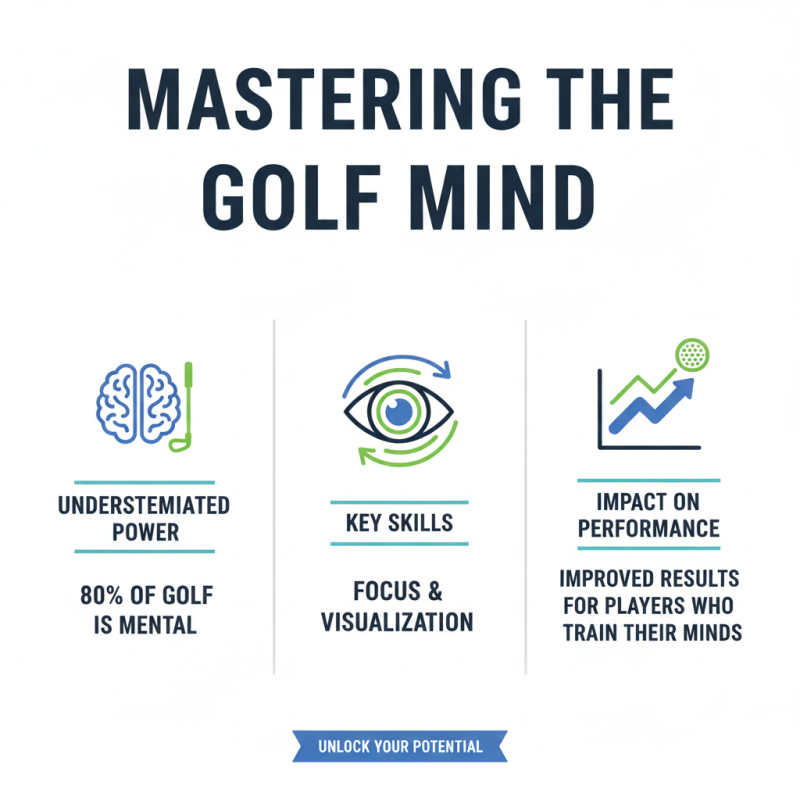
Unpacking the Mental Game: Harnessing Focus and Visualization Techniques
The mental aspect of golf is often underestimated. Mastering focus and visualization can set players apart. Studies show that 80% of golf performance is mental. Players who harness their minds often see improved results.
Visualization techniques are crucial. Picture each shot before you make it. Imagine the ball's trajectory, the sound upon impact, and the feeling of success. Research indicates that athletes who visualize their performance can improve scores by 10-15%. This approach creates a mental blueprint for success.
Despite these strategies, many golfers struggle. They get distracted by noise or pressure. At times, self-doubt creeps in. Recognizing these thoughts is vital. Reflecting on what disrupts focus can lead to better mental resilience. Creating a pre-shot routine helps in centering your mind. It’s about consistency and practice, but challenges will arise. Embrace them.
Utilizing Data Analytics: How To Analyze Your Golf Performance Effectively
Data analytics can transform your golf game. Start by tracking your shots. Use a simple app or a notebook. Record the distance, location, and type of each swing. This practice uncovers patterns in your performance. You may notice tendencies—do you slice more on the front nine?
Analyzing this data is crucial. Look for areas of improvement. For instance, if your putting accuracy is low, simulate game conditions on the practice green. Use your collected data to set specific goals. Aim to reduce your putts from inside 10 feet. Remember, it’s not just about the numbers. Reflect on missed shots and adjust your strategy. It’s okay to fail. Embrace it, learn from it, and adapt.
Regularly review your statistics. They can reveal insights about your playing style. Maybe you struggle more in windy conditions or when under pressure. Utilize this knowledge during practice sessions. Focus on your weak spots. Improvement takes time. Celebrate small victories along the way, and remain persistent. Every golfer has their challenges; face yours with data-guided strategies.
The Importance of Regular Practice: Building Muscle Memory and Skills
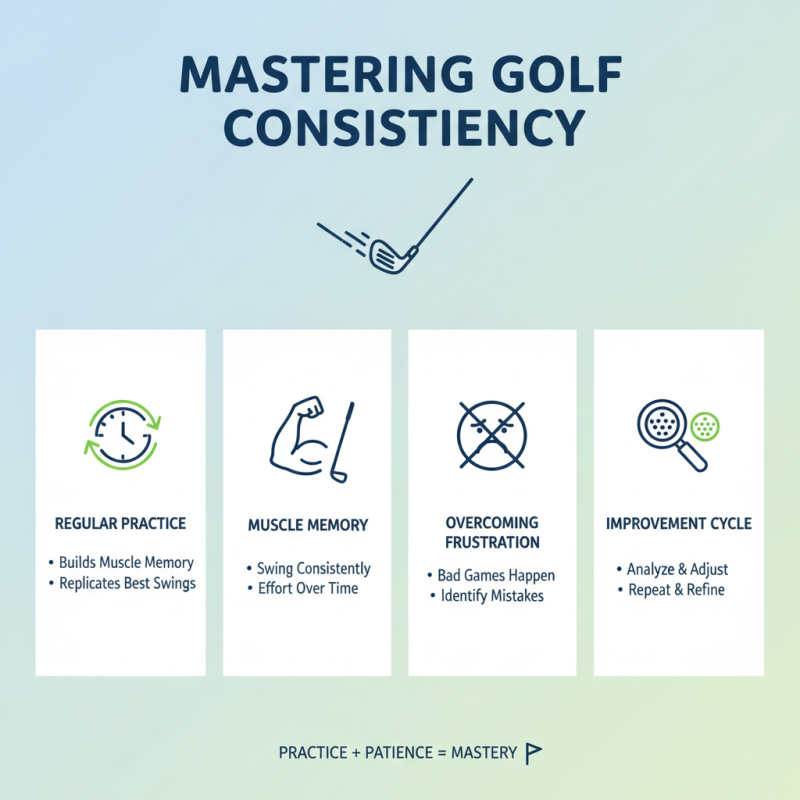
Regular practice is essential for mastering golf. When you swing your club consistently, your body builds muscle memory. This muscle memory allows you to replicate your best swings with ease. However, it requires time and effort. Many golfers struggle with consistency, often feeling frustrated after a bad game. Identifying mistakes is important for improvement.
Additionally, practicing regularly develops other skills. Your stance, grip, and follow-through become more natural. You may notice that your accuracy and distance improve. This progress can be motivating. Yet, it's easy to fall into a routine and neglect areas that need work. Regular reflection on your techniques is crucial.
Creating a structured practice plan can help. Set specific goals, like improving your putting or short game. Focus on one skill at a time. This focused approach often yields better results. It’s a journey, not a sprint, and being patient pays off. Everyone has off days. Embrace the process, and over time, you’ll see significant improvements.